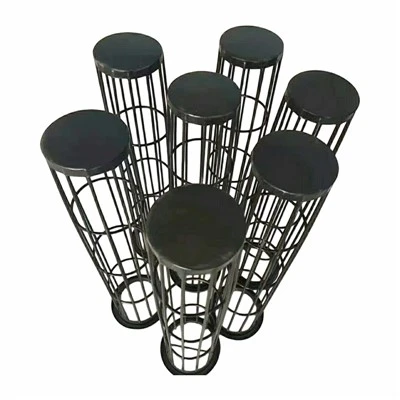
Hey there! As a supplier of Cement Plant Dust Collectors, I'm often asked about what these nifty machines actually do. Well, let me break it down for you in simple terms.
First off, let's talk about why we even need dust collectors in a cement plant. Cement production is a dirty business. There are tons of processes involved, like crushing, grinding, and mixing raw materials. All these steps generate a whole lot of dust. This dust isn't just a nuisance; it can be a real health hazard. Breathing in cement dust can lead to all sorts of respiratory problems, like silicosis, which is a serious lung disease. Plus, it can also cause skin and eye irritation.
So, the main function of a cement plant dust collector is to capture and remove the dust particles from the air. It acts like a big vacuum cleaner, sucking in the dusty air and separating the dust from the clean air. This way, the air that's released back into the environment is much cleaner and safer for everyone.
There are different types of dust collectors used in cement plants, and each has its own way of doing the job. One common type is the baghouse dust collector. It uses filter bags to trap the dust. The dusty air is blown through these bags, and the dust gets stuck on the outside of the bags while the clean air passes through. Over time, the dust builds up on the bags, and then a cleaning system kicks in to shake or pulse the bags, knocking the dust off and collecting it in a hopper.
Another type is the cyclone dust collector. This one works by using centrifugal force. The dusty air is spun around inside a cone-shaped chamber, and the heavier dust particles are forced to the outer walls of the chamber and then fall into a collection hopper at the bottom. The cleaner air then exits from the top of the cyclone.
Now, let's get into some of the specific functions of a cement plant dust collector in more detail.
1. Air Quality Improvement
The most obvious function is to improve the air quality inside and outside the cement plant. By removing the dust from the air, it reduces the amount of pollutants that are released into the atmosphere. This is not only good for the environment but also for the health of the plant workers and the surrounding community. Cleaner air means fewer respiratory problems and a better quality of life.
2. Compliance with Regulations
Cement plants are subject to strict environmental regulations regarding air pollution. A dust collector helps the plant meet these regulations by keeping the dust emissions within the allowed limits. If a plant fails to comply with these regulations, it can face hefty fines and even shut down. So, having an effective dust collector is essential for the plant's long-term operation.
3. Product Quality Control
Dust can also have an impact on the quality of the cement product. If there's too much dust in the production process, it can contaminate the cement and affect its properties. A dust collector helps to keep the production environment clean, ensuring that the cement produced is of high quality.
4. Equipment Protection
Dust can be very abrasive and can cause damage to the plant's equipment. When dust particles get into the machinery, they can wear down the moving parts, leading to breakdowns and costly repairs. A dust collector helps to prevent this by removing the dust from the air before it can reach the equipment. This extends the lifespan of the equipment and reduces maintenance costs.
5. Energy Efficiency
Some dust collectors are designed to be energy-efficient. For example, modern baghouse dust collectors use advanced filtration technology that requires less energy to operate. By reducing energy consumption, the plant can save money on its electricity bills.
Now, let's talk about some of the products we offer as a Cement Plant Dust Collector supplier.
We have High Temperature Dust Collector Bags. These bags are specially designed to withstand high temperatures, which are common in cement plants. They are made from high-quality materials that can resist heat and chemical corrosion, ensuring long-lasting performance.
Our PTFE Membrane Filter Bag is another great option. The PTFE membrane provides a smooth surface that makes it easy to clean the dust off the bag. This reduces the frequency of bag cleaning and extends the life of the bags.
If you're in the mining industry, we also have Mining Dust Collector. Although it's designed for mining, many of the same principles apply to cement plants, and it can be a great solution for dust control in certain applications.


In conclusion, a cement plant dust collector plays a crucial role in ensuring a safe, clean, and efficient operation of a cement plant. It helps to protect the environment, the health of the workers, and the quality of the product. If you're looking for a reliable dust collector for your cement plant, we're here to help. We offer high-quality products and excellent customer service. Whether you need a baghouse dust collector, a cyclone dust collector, or any of our specialized filter bags, we've got you covered.
If you're interested in learning more about our products or have any questions, feel free to reach out. We'd love to have a chat with you and see how we can meet your dust collection needs. Let's work together to make your cement plant a cleaner and safer place.
References
- "Cement Industry Air Pollution Control Handbook"
- "Industrial Dust Collection Systems: Design and Operation"